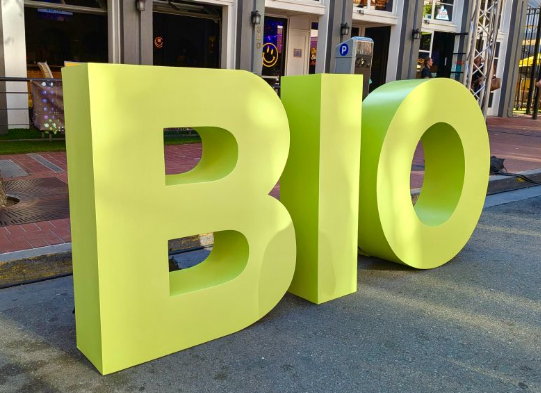
The BIO International Convention returned to the San Diego Convention Center from June 22 to 25. Global readiness emerged as the clearest theme of the week. According to BIO’s official event data, the event drew an estimated 20,000 attendees from across the global biotechnology ecosystem. This year’s program spanned more than 130 sessions, covering everything from cell and gene therapy to AI and digital health.
BIO 2026 also marked a notable year for biotech as a whole. The event fell on the 50th anniversary of the first biotech company. The second annual AI Summit opened the week with seven marquee panels. Artificial intelligence took on a more central role in the roadmap conversations.
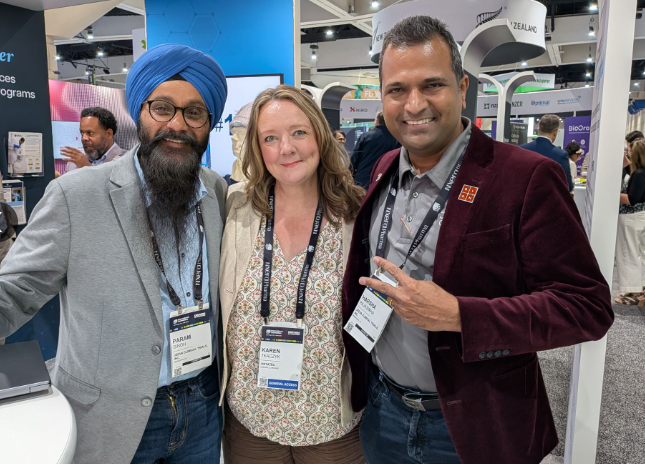
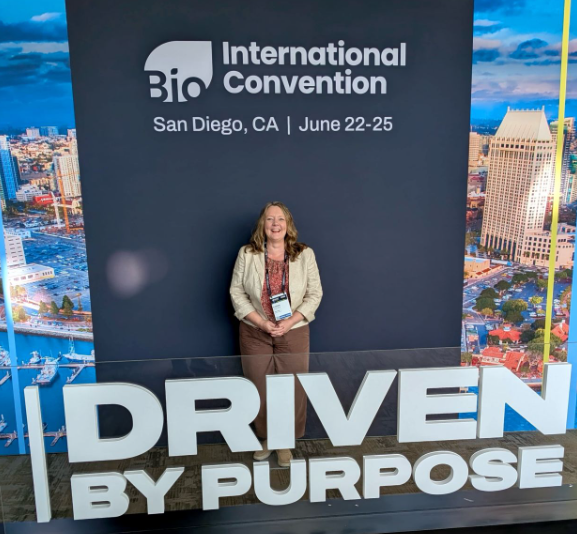
Karen Tkaczyk, Vistatec’s Director of Sales for Life Sciences, attended this year’s convention. There, she connected with biopharma, diagnostics, and biotech leaders working through an increasingly global, AI-driven landscape. Karen brings a regulatory and chemistry background to these conversations. Therefore, her takeaways capture both the opportunities and the pressure points facing life sciences companies today.
Global Readiness Starts With AI Governance
AI Summit sessions highlighted a familiar tension. Companies are adopting AI tools faster than they are building the governance to support them.
Panels also examined where AI delivers measurable ROI and where hype still exceeds output. This gap underscores the value of structured AI governance built for regulated, multilingual environments.
Precision Medicine Demands Precision Language
Sessions on diagnostics and personalized medicine reinforced an important point. Clinical and regulatory documentation must hold up across every market a therapy reaches.
However, terminology drift between regions can slow approvals or create safety risks. This is where global terminology management earns its place as a core function.
Patient Voices Took Center Stage
Patient advocates featured prominently throughout the program. This served as a reminder that biotech’s purpose rests on the people it serves.
Furthermore, translating patient materials with cultural nuance, not just linguistic accuracy, remains essential. This kind of patient-centered communication depends on the same language strategy driving global readiness across the rest of the industry.
Global Markets Remain a Growth Engine
Sessions on emerging global markets drew steady attendance throughout the week. Many companies now see international expansion as their next major growth lever.
However, expansion only works when supporting content can scale across languages without losing accuracy. Strong translation and localization support gives companies the foundation to move quickly without compromising quality.
Biomanufacturing Is Going Global
Conversations on biomanufacturing capacity pointed to a broader shift underway. Production is becoming more distributed across regions, and manufacturing partnerships now span more countries than before.
As a result, quality systems must be understood consistently by every team involved. This is exactly what multilingual quality management is built to support.
Closing Thoughts
BIO 2026 reaffirmed that purpose and precision go hand in hand for the industry. Furthermore, as the sector leans further into AI and global expansion, clear communication will set leaders apart. Is your team preparing for similar growth? Speak with one of our life sciences experts about your global readiness strategy.